Online Only 24/7/365 Based in Krabi Thailand.
Krabi
24/7
Monday-Sunday
12:00 am - 12:am
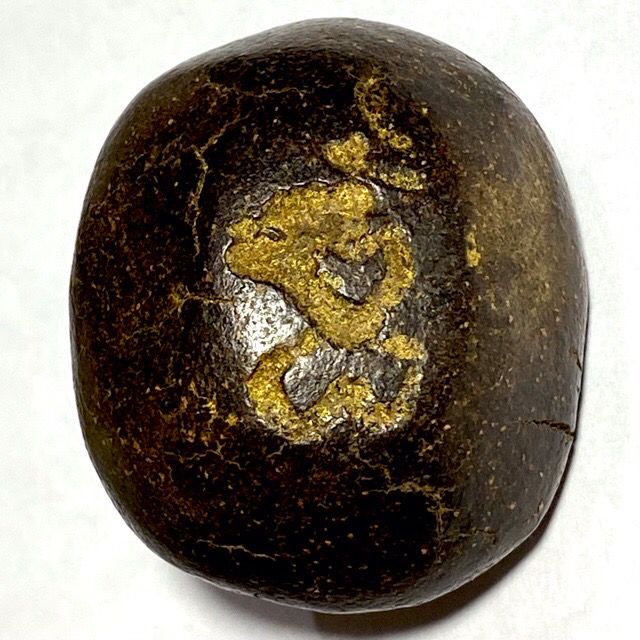
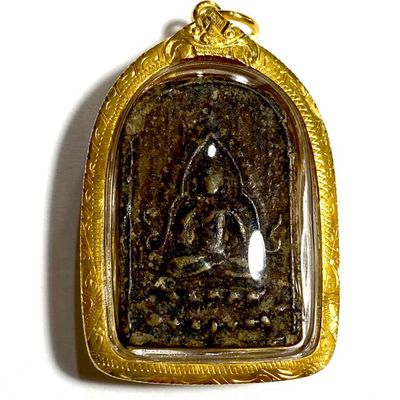
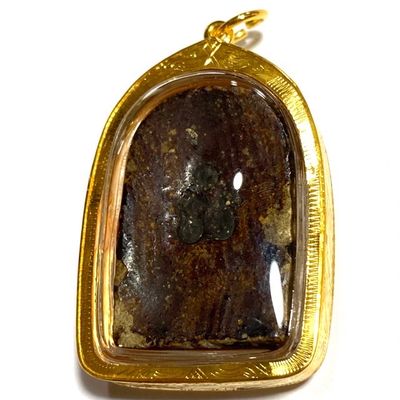
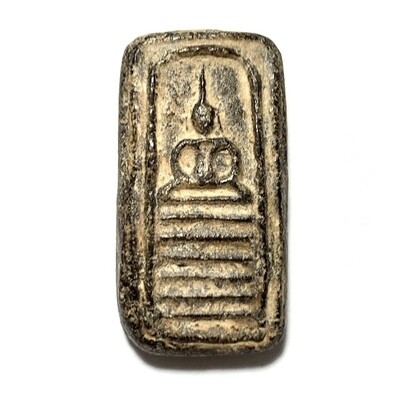
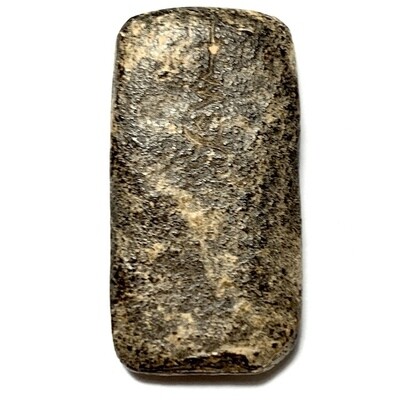
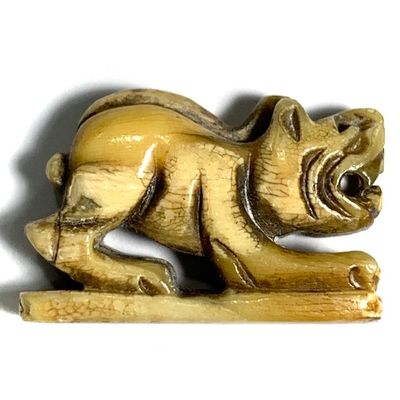
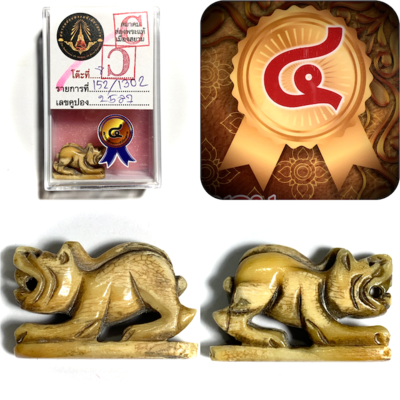
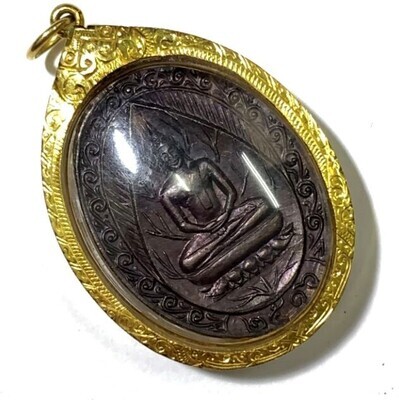
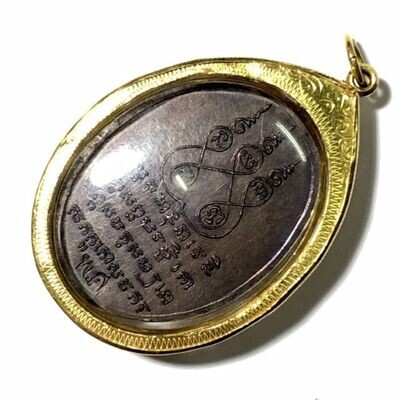
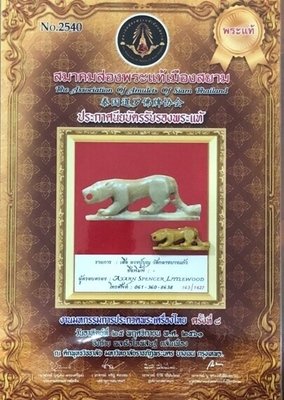
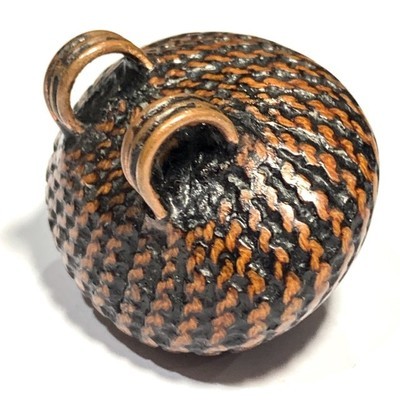
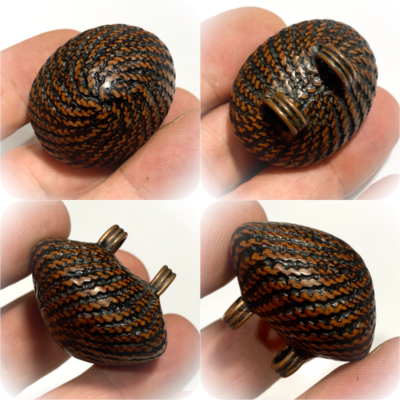
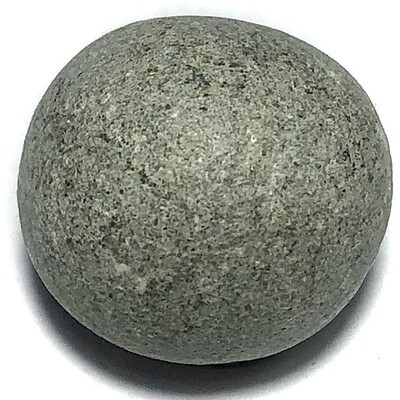
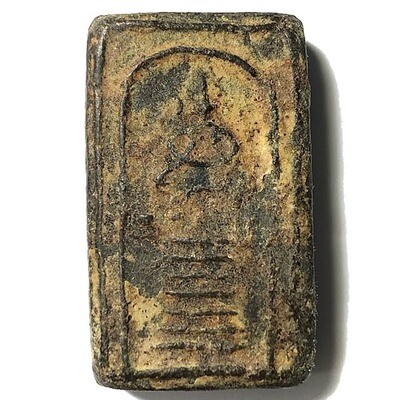
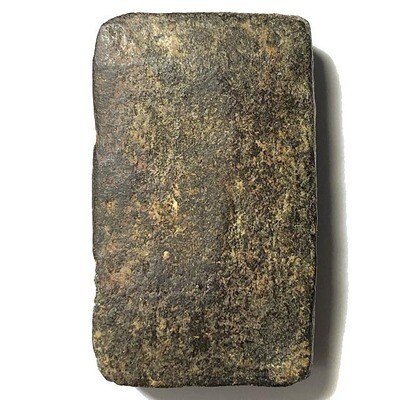
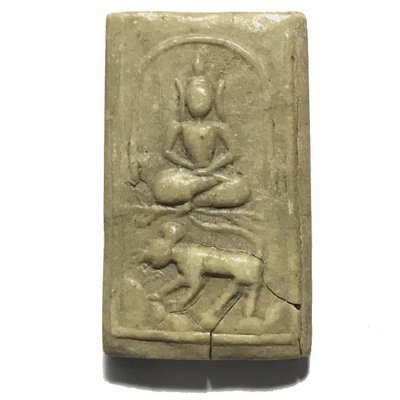
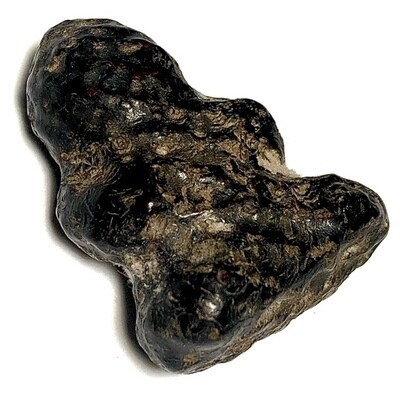
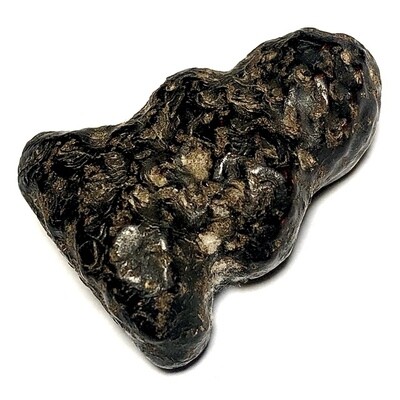
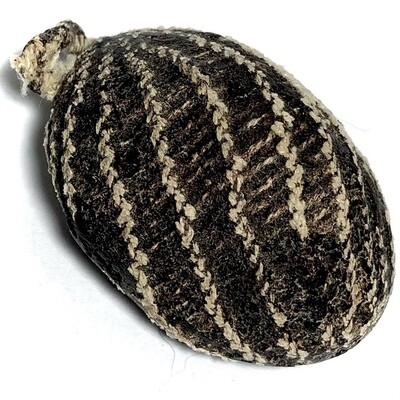
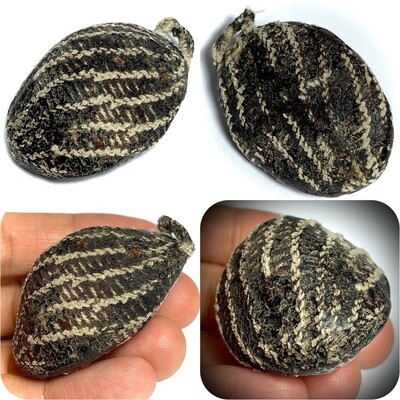
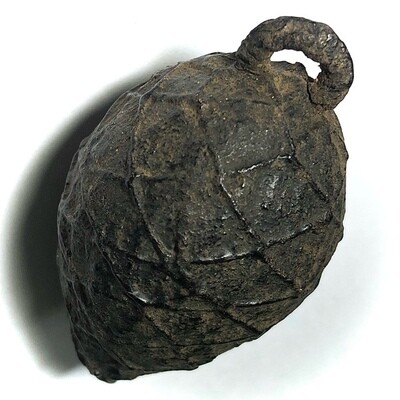
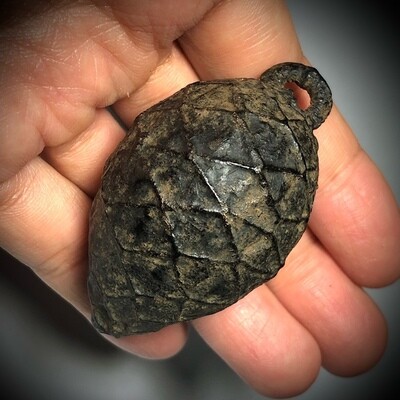
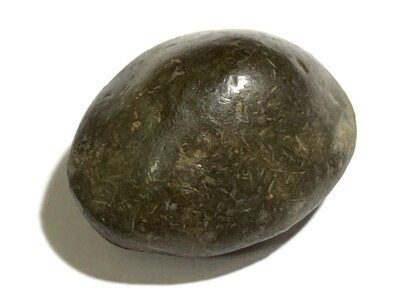
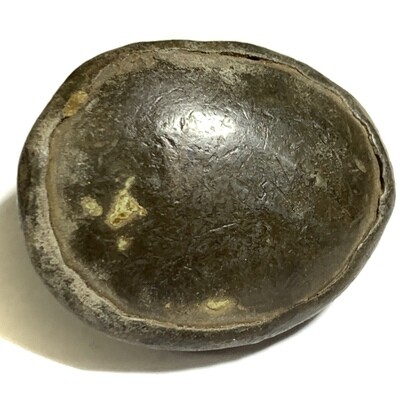
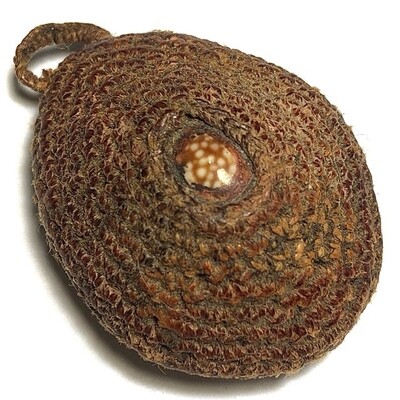
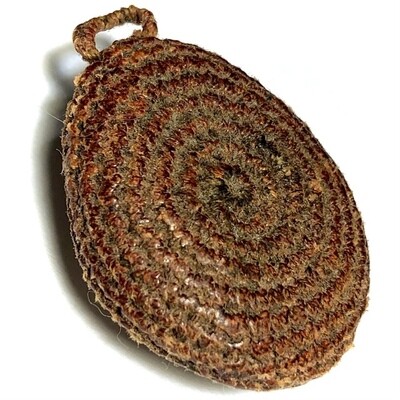
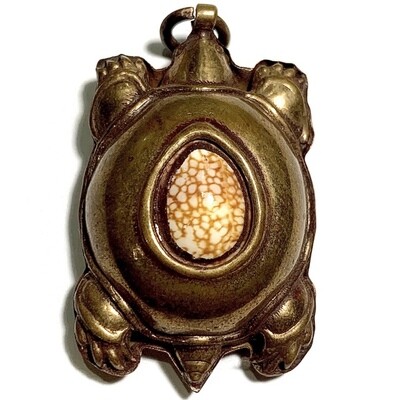
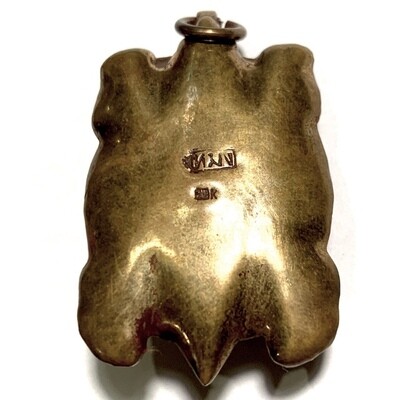
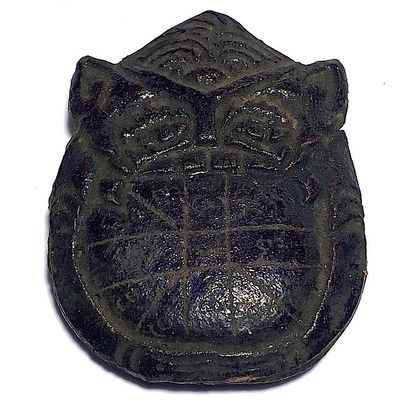
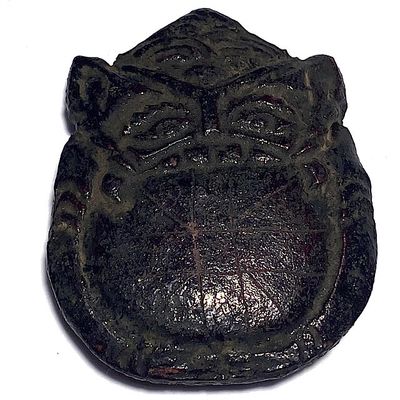
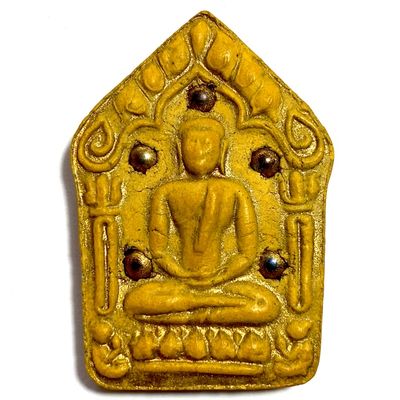
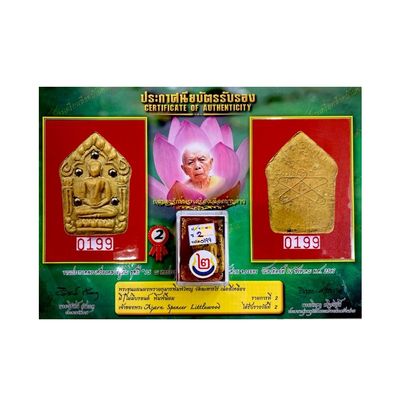
Bia Gae Jon Pork Pong Paya Mai Pu, a rare and ancient hand-made cowry-shell animist charm from the Great Luang Phu Bun of Wat Klang Bang Gaew, with certificate of authenticity. A very rare find from the great Luang Pu Bun – Wat Klang Bang Gaew, Nakorn Patom Province.

The Bia Gae from the Luang Pu Bun lineage of Wat Klang Bang Gaew is regarded as one of the most eminent protective talismans in the Thai amulet tradition, with a long-standing history and deeply rooted faith extending from the past to the present. Its associated virtues are said to encompass the neutralization of misfortune, avoidance of danger, invulnerability, Metta Maha Niyom (benevolent attraction), and protection against black magic, spirits, and malevolent entities. For generations, devotees have carried Bia Gae as a personal protective charm.

Among all variations, those coated with herbal sacred powders and the essence known as Paya Mai Pu (rotting sacred wood) are considered the rarest and most distinctive, and are especially revered by collectors nationwide. This example is a significant piece directly originating from the era in which Luang Pu Bun himself created and consecrated such amulets.

Lineage and Transmission of the Knowledge
Luang Pu Bun Kanta Chote (Pra Puttha Withi Nayok), former abbot of Wat Klang Bang Gaew in Nakorn Patom Province, was the pioneer who established and transmitted the complete knowledge of crafting Bia Gae until it became renowned throughout the Thai amulet world. His period of activity is generally placed between approximately 1897 and 1935. He learned the core method from Pra Ajarn Thong, and subsequently refined it into the distinctive Wat Klang Bang Gaew tradition. This lineage was later passed on to Luang Pu Perm, Luang Pu Juea, and other senior monks of later generations, continuing uninterrupted to the present day.

Physical Characteristics and Method of Construction
A Bia Gae coated with Paya Mai Pu powder is distinguished by several defining features. A natural cowrie shell is selected according to strict traditional criteria and used as the sacred vessel for containing consecrated substances. Inside, mercury is placed together with powdered Paya Mai Pu and carefully selected herbal powders, intended to enhance qualities of protection, Metta Maha Niyom, danger avoidance, and defense against harmful forces.
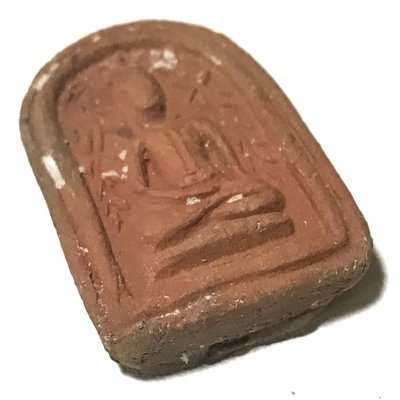
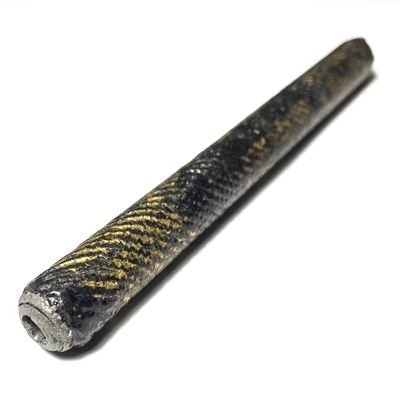
The exterior is sealed using traditional techniques involving the application of sacred powders and black lacquer, which both preserve the materials and reinforce the spiritual potency. Some examples bear yantra inscriptions or contain small takrut amulets to further augment their power, depending on the period and the individual hand of the master. The finished Bia Gae is typically bound with cord or encased using authentic materials, making it durable and suitable for being worn or carried on the person.

The ritual process for creating this group of Bia Gae strictly follows the traditional Wat Klang Bang Gaew formula. It begins with the careful selection of the shell, the ritual veneration and preparation of mercury, the inscription of yantra, and the coating with herbal and Paya Mai Pu powders. The amulets are then consecrated with sacred incantations to imbue them with both moral-spiritual power and esoteric force, in accordance with the ancient teachings handed down by generations of masters. Apart from Parort Mercurial Alloy, LP Bun liked to use a very Special Herbal and Magically Empowered Ingredient, Nuea Khee Nok Khao Bplao (Thick Billed Green Turtle Dove Faeces - considered to have Magical Properties), and Nuea Wan (Herbal Extracts and Pollens).
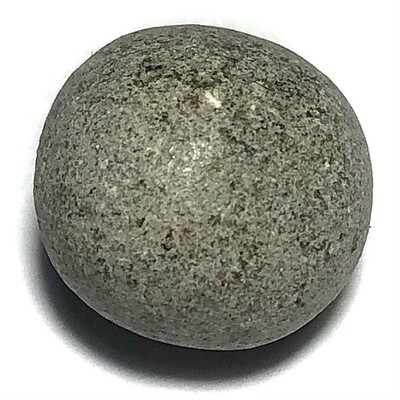
The famous Pong Ya Wasana Jinda Manee, and Pong Khamin Sek Muan Sarn Powders of Luang Phu Bun (also known as 'Pra Ya Horm'), carry legendary status for their immensely powerful magical properties. These are two very Sacred Powders within the Dtamra, with Pong Khamin Sekhaving a pungent aroma, with Powers of Protection and Wealth Increase, and the legendary Pong Ya Wasana Jinda Manee having an aromatic Sacred Powder, which uses of course the famous 'Ya Wasana ('Wasana' meaning Lucky Fortunes). Ya Wasana Jinda Manee, and Khamin Sek Sacred Cumin powders, are the most famous Muan Sarn of Luang Phu Bun, and have become his Legendary 'Dtamra' (Traditonal Legend of Inheritance Wicha).

Attributed Virtues and Devotional Belief
Bia Gae from the era of Luang Pu Bun are considered among the highest forms of protective talismans for neutralizing misfortune and guarding against harm. Their attributed qualities include the removal of bad luck, the dispelling of black magic and inauspicious influences, and the transformation of adverse conditions into favorable ones. They are believed to confer invulnerability, protection from physical danger, spirits, and dark sorcery, while also promoting Metta Maha Niyom and stabilizing one’s destiny. Devotees may carry the amulet on their person or enshrine it for ritual use, seeking protection, safety, and the enhancement of fortune.

Due to the continuity of faith across generations, examples created directly by Luang Pu Bun are regarded as possessing exceptional historical significance and very high collector value.
Importance and Collectible Value
The Bia Gae coated with Paya Mai Pu powder attributed to Luang Pu Bun holds importance in both devotional practice and the Thai amulet market. It is among the oldest known Bia Gae of the Wat Klang Bang Gaew lineage, produced during an early and now-rare period with substantial historical value. Many experienced and specialized collectors recognize this type as a legendary-class Bia Gae within the Thai amulet tradition.

I will begin by recounting a legend that has been passed down for generations in the Tha Chin River basin of Nakhon Pathom Province, a land where sanctity and faith converge as a single living force. This account draws upon detailed oral tradition and long-term research, together with archival knowledge preserved through unusual depth and historical sensitivity. What follows is not merely the history of an object, but a living story of spirit, inherited wisdom, and the boundless compassion of past masters who served as moral and spiritual shelter for their disciples.

This narrative takes us back to Luang Pu Bun Kandhajoti, also known by his ecclesiastical title Phra Phuttha Withinayok, the legendary former abbot of Wat Klang Bang Gaew, and to the supreme counter-curse talisman for which the temple is famous: the Bia Gae of Wat Klang Bang Gaew, widely regarded as the “emperor” of protective and corrective amulets.

When Wat Klang Bang Gaew is mentioned, devotees immediately envision an ancient monastery steeped in esoteric power. Yet before examining the Bia Gae itself, it is essential to understand the lineage of abbots through whom this knowledge was transmitted, for the power of this amulet is inseparable from the continuity of the tradition behind it. The lineage begins with Phra Palat Thong, the great master who taught Luang Pu Bun and laid the foundational knowledge of Bia Gae creation and the famed Chinadamani medicine. After his era came Phra Athikan Jaeng, and then the golden age of the temple under Luang Pu Bun Kandhajoti, who served as abbot from 1886 to 1935.

Luang Pu Bun was born in 1848 and passed away in 1935 at the age of eighty-seven. His life was entirely devoted to Buddhism and to alleviating the suffering of others. After his passing, Phra Palat Lor served as acting abbot, followed by Luang Pu Perm Punyawasano, Luang Pu Bun’s closest disciple, who inherited the complete body of knowledge and continued the tradition as abbot. In the modern era, the lineage is strongly associated with Luang Pu Juea Piyasilo, who, though formally a deputy abbot, became widely renowned for propagating the Bia Gae tradition and bringing it to a broader audience without compromising the original methods.

With this lineage understood, we can enter the inner world of the Bia Gae teachings of Wat Klang Bang Gaew. A Bia Gae is not simply a cowrie shell. It is a sophisticated convergence of Buddhist philosophy and advanced occult science. The word “gae” literally means “to correct” or “to remedy”—to turn misfortune into fortune, severity into relief, and to neutralize curses, black magic, spirit attacks, poisons, and unseen malevolent forces.
The creation process is highly demanding and begins with the search for a perfect cowrie shell, one that possesses all thirty-two teeth, corresponding to the thirty-two bodily attributes of a complete human being. Such shells are rare and must be carefully selected, as the shell serves as the living vessel for sacred forces.

The most critical substance placed within the shell is mercury. In Thai occult science, mercury is regarded as a living sacred element with awareness and agency. It is believed to consume negativity, repel spirits, and neutralize harmful forces. In ancient times, mercury was ritually captured from swampy areas using decayed eggs as bait, then ritually subdued and purified. In later eras, refined mercury was sometimes used, but the essential factor was always the ritual “killing of the poison” and spiritual taming of the mercury.
Luang Pu Bun was believed to possess such formidable mental power that he could command mercury to enter the shell without touching it, and even cause it to solidify at will. Typically, about one baht weight of mercury was used—enough for it to roll freely inside the shell, producing a distinctive rattling sound when shaken. This sound is not incidental; it is regarded as proof that the mercury remains alive and active in its protective function.

Once the mercury is sealed inside, the shell’s opening is closed using underground stingless bee resin. This substance is exceptionally difficult to obtain and is believed to possess inherent fire-resistant and invulnerable qualities. While sealing the opening, the master recites binding incantations to command the mercury into obedience. The shell is then tightly encased in lead, hammered seamlessly so no gaps remain. The most critical phase follows: the engraving of sacred inscriptions.
The inscriptions engraved by Luang Pu Bun are considered a divine script—energetic codes linking the human realm to higher forces. These typically include Five Buddha yantras, Tao symbols, and ancient Khmer characters associated with invulnerability, protection, and benevolence. Each line is engraved in perfect synchrony with breath, mantra, and concentration, compressing spiritual force into the lead casing.

After engraving, the shell is wrapped in braided cord, both to strengthen it physically and to bind the magic further. The braid patterns of Wat Klang Bang Gaew are distinctive and finely executed. The entire piece is then lacquered with black resin, which hardens to a glossy finish. Gold leaf may later be applied, both for reverence and to “feed” the mercury, which is traditionally believed to consume gold as sustenance.
The consecration ritual itself is legendary. It is said that at night, Luang Pu Bun would place completed Bia Gae into his alms bowl and enter deep meditation. As he chanted, the shells would begin to rattle, move, and even leap from the bowl, requiring him to place them back inside. This gave rise to the saying that Luang Pu Bun’s Bia Gae could “move” or “fly.” Consecration continued until he was fully satisfied that the mercury, inscriptions, and spiritual force had become a single unified entity.

The functions of the Bia Gae are comprehensive. Its primary role is correction and protection—neutralizing curses, black magic, spirit afflictions, and metaphysical harm. It was historically used to treat spiritually caused illness, ward off dangerous animals, repel ghosts, and protect travelers. It is also associated with metta mahaniyom, making the bearer well-liked and socially protected. Carrying a Bia Gae is likened to wearing an invisible armor.
One of its most important indicators is the sound of the mercury inside. Changes in the sound—or its absence—are believed to signal that the amulet has absorbed excessive negative energy or that something is spiritually amiss. For this reason, owners periodically shake the amulet and may apply additional gold leaf to replenish its power.

The knowledge of Bia Gae creation passed seamlessly from Luang Pu Bun to Luang Pu Perm, and later to Luang Pu Juea, who maintained strict adherence to the original formulas—using mercury, bee resin, and lead without compromise. This unbroken transmission is why the Wat Klang Bang Gaew lineage retains its authority and sanctity today.
Studying and collecting these Bia Gae requires expertise, as imitations are widespread. Key indicators include the age of the lacquer, the dryness and wear of the cord, the natural oxidation of the lead, and above all, the weight and sound of the mercury, which should feel heavy yet fluid, with a resonant, living tone.

Ultimately, the story of Luang Pu Bun’s Bia Gae is not merely about an amulet. It is a living tradition, a spiritual inheritance passed hand to hand and heart to heart for over a century. It embodies the compassion of the masters who created it and continues to serve its purpose faithfully: to correct suffering and to shield those who place their trust in it, even in an uncertain and dangerous world.
It is hoped that this explanation conveys the full depth and value of the Bia Gae of Luang Pu Bun, Wat Klang Bang Gaew, in a manner that is complete, faithful, and intelligible, honoring the original intent and the lineage through which this knowledge has been preserved.


Because we guarantee delivery or money back/replacement, and Guarantee Authentic with real Blessings with all our amulets. Postage is Free Worldwide for all orders amounting to under 300 grams (60 grams for USA and Canada). We give Gifts with all orders large or small. Buying is Easy with our Secure Payment Gateway using Debit, Credit Card or Paypal, with customer protection built in by Paypal. Guaranteed Satisfaction with our 'You Can't Lose' policy, where we guarantee you that your item will be delivered, or if not, we replace or refund you. It is impossible to lose when you choose Us as your trusted supplier of Thai Buddhist Amulets and Occult Charms.
Good Service, only authentic amulets, and very Generous to customers, who always receive a nice gfift with every order! highly appreciated. Ajarn Spencer's knowledge induces great trust in the authenticity of the amulets in store

Ajarn Spencer
Author and Mystic
Ancient Amulet is Owned by Thai Buddhism and Occult Author, Ajarn Spencer Littlewood, who Guarantees Our Service with His Name. If there is one thing for which Ajarn Spenceris publicly known for, it is his Honesty, and his liking to Practice Generosity, which is one of the reasons Ancient Amulet has a rule that all customers receive minimum one free gift (amulet) of value with every order.
Online Only 24/7/365 Based in Krabi Thailand.
Krabi
24/7
Monday-Sunday
12:00 am - 12:am